This truly tropical guava passionfruit green smoothie recipe is the perfect combination of sweet, sour, creamy and packed with healthy fat, fiber and vitamins. White guava and passionfruit (lilikoi) star in this smoothie – get more than half of your daily servings of fruits and veggies in this delicious smoothie.
guava passionfruit green smoothie recipe
Yield: About 6 cups
Ingredients:
1 large head of lettuce
4 stalks of celery
1 medium avocado
2 passionfruits (pulp only)
1 large white guava (peel the first 1/4 inch and include the rest of the pulp) – you can use pink guava but it will probably effect the color of your green smoothie).
2-3 medium apple bananas
1-2 cups water
5 ice cubes
Steps:
Start with lettuce in the blender, then add celery and avocado and water
Blend until incorporated.
Then add passionfruit, guava, banana and ice.
Blend for 50 seconds on high until the seeds from the passionfruit and guava are well broken up and smoothie is plenty smooth.
This simple and creamy blueberry banana smoothie is packed with antioxidants, protein, fiber and healthy fats. It is an excellent substitution for your afternoon cookie or candy bar. It is also a good mid-morning treat.
The blueberry banana smoothie recipe is great because it’s easy to keep all of the ingredients on hand. We buy buckets of Artisana raw organic coconut butter which last for 15-18 months from the date of manufacturing. Additionally, blueberries and bananas can be stored in your freezer, frozen blueberries are good for 6-8 months and bananas for 2-3 months. Dried chia seeds have a shelf life of 2-4 years.
I am featuring chia seeds in this recipe, but I actually use them almost daily in my green smoothies. We buy Nutiva organic chia seeds (120z) bags at Costco (several at a time), but you can also get very affordable ones on amazon. Mostly, I add them for extra fiber and protein. It’s ideal to soak the chia seeds in water for at least 10 minutes before blending. Soaking them helps to sprout the chia seed adding in their digestion making the nutrients more bioavailable.
Two tablespoons (or 1 ounce) of chia seeds has about 130 calories, 8 grams of fat, 11 grams of fiber (about 50% of daily recommended value for women), 5.5 grams of protein and no sugar. It also provides 18% of daily calcium, 27% of phosphorous, 30% manganese, and some potassium and copper. Chia seeds have lots omega-3 fatty acids which help to increase HDL, the good cholesterol. The aid in weight-loss, with diabetes, digestion and detox.
Recipe for blueberry banana smoothie with chia seeds
Mix all ingredients in blender on high for two, 30 second intervals until very creamy and seeds are well incorporated. This smoothie has the best texture when consumed fresh but it will store for up to 2 days in the fridge.
We are blessed right now to have eggplants coming out of our ears!!! So…I invoked this recipe from my repertoire. This recipe is a slight twist on the many variations of Indian dish Baingan Bharta.
All Baingan Bharta recipes have many ingredients in common: eggplant, onions, tomatoes, ginger, pepper and garlic. Many add garam masala, coriander, turmeric, etc. I learned to make this during my very first vegan phase in my early early 20’s. To make it heartier (more protein) I started adding chickpeas, and to counterbalance the heat in it, I favored adding a few plump raisins at the end. So in reality it is a bit far from any Baingan Bharta you would order at an authentic Indian restaurant, but in my opinion mo betta!
Recipe for Indian spiced eggplant (Baingan Bharta) with chickpeas and raisins
Servings: 4+ (~1 cup each)
Ingredients:
2 tablespoons olive oil
4 medium size eggplants
1-2 medium-large tomatoes (chopped fine)
1 large onion (chopped fine)
1 Hawaiian chili pepper (chopped fine)
tablespoon chopped garlic
2 inch (½ in diameter or so) piece of ginger, grated
1 inch(¼ inch diameter or so) piece of turmeric grated
½ teaspoon cumin
1 teaspoon garam masala
1 teaspoon salt
¼ cup raisins
1 and ½ cup (or to liking) cooked chickpeas
Steps:
Preheat oven to 450 degrees F. Lay eggplant on baking sheet, pierce eggplant to help let out steam.
Bake at 450 degrees for 15 minutes and then turn over. Bake another 15 minutes or so until a knife enters easily skin starts to separate from the flesh of the eggplant
Once cooled peel eggplant and roughly chop and mush
Heat oil in large sauté pan (med-high heat) and add onions until they start to become soft, stirring very often
Add ginger, garlic, and turmeric and stir constantly for less than 1 minute
Add tomatoes, cumin, and garam masala and reduce heat to medium-low. Cook for a time until tomatoes incorporate themselves into onions mixture.
Add eggplant and mush a bit with your spatula or mixing spoon, allow to heat up and cook another 5 minutes or so on medium heat.
For the last 5 minutes add chickpeas and raisins.
Enjoy warm with rice, alone, over greens, or with naan, etc.
This chaga coffee recipe results in a creamy, slightly sweet morning treat. It is absolutely the best, creamiest, super-beverage coffee that I have ever come across. The use of the medicinal mushroom chaga is comparable to use of reishi mushrooms by the coffee company Organo Gold.
It is an amazing way to sneak the superfood powers of mushrooms into your daily life. No need to drink mushroom tea! The flavor of coffee completely masks the earthy mushroom flavor. The coconut butter makes the coffee velvety and creamy and the maple sweetens it just enough. This is a great way to start you’re day off with healthy fats, immune boosting properties and minerals from the maple syrup. Read more about chaga at the end of this article. Lately, we’ve been drinking our coffee black, without the coconut butter and maple syrup, this is fine and there is no weird taste from the chaga.
Equipment: French Press, cheese grater
Servings: 2
Ingredients:
high quality whole bean organic coffee
organic coconut butter (not oil)
pure organic maple syrup
wild harvested whole chaga
Steps:
Use a cheese grater to add up to 1 tablespoon of powdered chaga
Boil water first (212 F) and then reduce to simmer and add chaga and leave until water is brown. Traditional knowledge describes that chaga is best decocted in temperatures between 150F and 180F, although many people give it a boil for up to 30 minutes (including us because a slow extraction is more time consuming and because we like hot coffee, we believe that many benefits are retained).
Add to 4 tablespoons ground coffee in french press, steep for 5 minutes, and press the top down to strain.
In coffee cups add 1 heaping tablespoon coconut butter and 1 tablespoon maple syrup.
Pour less than ¼ cup hot coffee in cups and cream the coconut butter until smooth.
Add rest of coffee and enjoy!!!
Chaga
(Inonotus Obliquus) is a mushroom that grows exclusively on birch trees. It feeds off of a non-toxic parasite in infected trees in cold areas like the northern parts of US, Canada, Europe, Russia, and Korea. It has been used traditionally though out history as food and as medicine.
We use chaga primarily to boost our immune system, but it has several other health benefits due to it’s antioxidant properties (named in parentheses). It’s antioxidant properties are partially due to melanin, a natural black pigment which has many polyphenols. Chaga also protects against oxidation and free radicals (super oxide dismutase enzymes).
Chaga has the highest ORAC score of any superfood. Beyond helping with the immune system (Beta-D-Glucans), it helps to maintain healthy blood vessels, can help with ulcers and gastritis, can normalize blood pressure and cholesterol levels (betulinic acid), can help fight cancer (phytosterols), can aid in pain. It also reduces blood sugar in people who suffer abnormal blood sugar peaks. It is known for reductions in fatigue and inflammation, as well as increased mental sharpness. Traditionally, Siberians used it in their stews, soups, and teas. They extracted it with hot water. It is also important not to boil the chaga past 180 degrees, which would destroy the proteins, sterols, and enzymes.
Chaga is available whole, in chunks and in powder. Like many ingredients, the more whole the product when you receive it, the fresher, and more health benefits it will impart. I buy my chaga on Etsy. Here is a link one seller that I’ve bought from.
Contraindications:
high in oxalates, which in large doses can prevent the absorption of nutrients and may be toxic in high doses
For a long time I thought tempeh was another health food trend, a way to sell surplus soy to the health hipsters. Furthermore, years ago I discovered that soy gave me abdominal pain, etc. It took about a year of my man insisting that it was unfermented and GMO soy causing the problem. He finally convinced me that, fermented organic soy, like tempeh, is healthful and delicious.
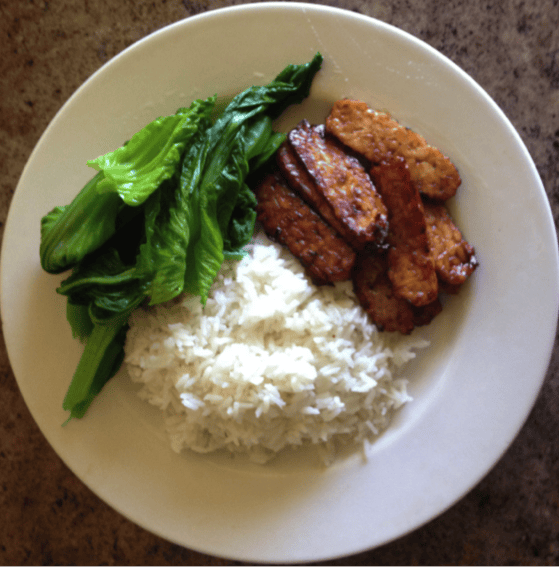
Tempeh is fermented with spores of a fungus Rhizopus oligosporus, a type of a healthy white mold that is usually high in Vitamin B and several amino acids. The Rhizopus oligosporus reduces gas and inflammation caused by soy. Tempeh has a medium-mild nutty flavor that soaks up the seasonings of the sauces it is cooked with. This ginger tempeh recipe is quick and delicious. Easily prepared and served with rice and a vegetable. Try sides of steamed bok choy, sautéed kale, lettuce wraps, or a cucumber salad.
Ginger Tempeh Recipe
Servings: 2
Special equipment: non-stick frying pan, blender is helpful
Ingredients:
1 tablespoon sesame oil
1 tablespoon + olive oil
2 garlic cloves roughly chopped
1 inch piece of ginger, peeled and roughly chopped
¼ of medium onion chopped roughly
1-2 tablespoon soy sauce
1-2 teaspoons honey
¼ cup or less filtered water
1 package 8 oz organic tempeh
Steps:
Blend together: garlic, ginger, onion, 1 tablespoon sesame oil, 1 tablespoon olive oil, and enough water (about ¼ cup) to easily blend the ingredients (if you want you can use about half of this to marinate the tempeh before cooking.
Slice tempeh into thin pieces about ¼ inch thick
Heat a little olive oil (teaspoon or less) in a non-stick frying pan add tempeh in single layer in the pan with enough room to turn them (do 2 batches if you have a small pan).
Add sauce from the blender
Turn heat to medium or medium-high and lightly “fry” each side for 3-5 minutes
When they are starting to brown, add a “sprinkle” or tablespoon of soy sauce to the pan and a teaspoon of honey and stir until evenly distributed.
Cook another 1-2 minutes until they started to brown (the soy sauce and honey with caramelize and burn if left too long).
My brother Dan brought this recipe beet salad with tahini dressing into my life. Him and his girlfriend used to make this often. To get me involved they started asking for my help making the dressing. After I had made the tahini dressing just a few times in their presence, they made me do it from ever on, which was how I built my confidence in making salad dressings. It is so creamy and yummy, it perfectly balances the earthiness of the raw beets and the sweetness of the carrots.
If you need a good way to include raw beets in your diet, this is it. It is also a great way to use raw carrots and beets from your garden. Guests are amazed at how good it tastes. Most people eating this salad recipe eat way more beets in one sitting than they ever would have. Remember, tahini is from ground sesame’s so anyone with an allergy to this should be warned : )
Equipment: Food processor or other method for grating beets and carrots (e.x. mandoline slicer, spiralizer, cheese grater), and a blender for dressing.
Ingredients for the salad:
10 medium-large carrots
2-3 beets
Lettuce or mixed baby greens
Tahini dressing ingredients:
6 tablespoons tahini
2 medium cloves garlic, chopped
3 tablespoons balsamic vinegar
3 tablespoons olive oil
¼ cup (or more water)
1 teaspoon honey
1-2 tablespoons lemon juice
salt
optional: add a little goat cheese to make it creamy
Steps:
First, prepare the dressing in blender by combining all ingredients until smooth.
Next, grate the carrots and then the beets (easiest in food processor), if you wish squeeze a little lemon over them so the carrots keep their color.
Place the carrots and beets in bowl and mix in the dressing, serve on top of lettuce or mixed baby greens (you will have more dressing than salad, dressing should stay good in refrigerator for about 5 days).
Resources on the Health Benefits of Beets, carrots, and tahini
There is nothing like eating your home grown winter squash. Baked winter squash is so easy to make, especially if the squash is amazing itself. This simple side dish is a wonderful accompaniment to any main meal.
My favorite kinds of squash you can’t find in the supermarket. In Hawaiʻi Kabocha squash is really common. However, people incorrectly label all small round, ribbed squashes as Kaboacha. My favorite are the local crosses of heirloom varieties passed on throughout communties. They are choose an orange-red on the outside and inside or likewise sweet. I highly recommend finding a squash you love and saving the seeds to grow your own!
If you are at the store looking for a nice semi-sweet flavorful squash, then butternut or red kuri are great examples.
This recipe for tomatoes with fresh basil and olive oil is like the Italian Caprese salad. But you don’t HAVE to add cheese to make it taste delicious. The most important thing is fresh tomatoes and high quality olive oil. Good salt is also a huge plus! This recipe is great to share with guests when there is an abundance of tomatoes. For more ideas for recipes with tomatoes and summer vegetables scroll to the bottom.
Recipe for tomatoes with fresh basil and olive oil
Ingredients:
4-6 vine-ripened tomatoes
Balsamic Vinegar
Olive Oil (use high quality olive oil for best results.)
Sea salt
Fresh basil chopped
Fresh mozzeralla (optional).
Steps:
Slice tomatoes and place on plate so that they are not overlapping
Then, drizzle with balsamic vinegar and olive oil
Lastly, spread sea salt evenly and top with fresh basil and optional mozzerella.
Stop buying jars of tomato sauce that hardly have enough sauce to go around the table. This recipe for a healthy basil garlic tomato sauce is economic and simple. Try serving this with recipes like my spaghetti squash and fresh herb meatballs.
Recipe for chunky basil garlic tomato sauce
Yield: 8 generous servings of sauce
Ingredients:
4-5 cans organic diced tomatoes (14.5 oz)
1/2 cup red wine (optional)
8-12+ cloves of garlic minced or pressed
1-2 onions chopped
Handful of fresh herbs (oregano, basil, rosemary, thyme, parsley) chopped
Lots of fresh basil (anywhere from 4-8 cups loosely packed leaves)
Olive oil
Sea salt and fresh ground pepper
2 teaspoons sugar, maple syrup or honey (optional – this keep cut the acidity)
Steps:
Heat olive oil in pan and reduce to medium-high
Saute onions stirring often until translucent (5 minutes)
Add garlic stirring frequently (2 minutes)
Then, add wine if using and wait until the wine has reduced and there is no liquid left
Add tomatoes and herbs (not basil) and bring to a boil
Simmer on medium-low for at least 45 minutes (can simmer real low for up to 2 hours).
If there is too much liquid and you want a thicker sauce remove some of the liquid with a ladle.
Slow cooker vegan split pea soup is comforting to eat and simple to make. It only requires a few ingredients that you are likely to have on hand. You can make it in a crockpot, regular pot or instapot. To beef up the nutritional content of this meal, I added sauteed greens and nutritional yeast as a garnish.
Combine ingredients into large pot, crock pot/slow cooker or instapot
Add water, 2 inches above veggies
For stove top, bring to boil and simmer about 1.5 hours, monitering to make sure there is enough water.For crock pot cook on high for 6-8 hours on high until the peas are very mushy and start to lose their shape.For instapot, combine ingredients and put on manual high pressure for 20 minutes.